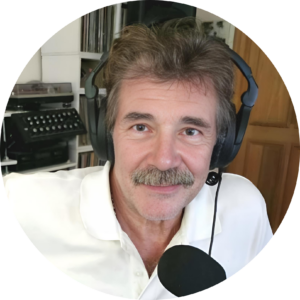
blowing shit up at w-fu radio
About
An Insight into the Story of New York DJs, Clubs, and Disco:
As told by myself Tony Gioe. As one of the first DJ’s who took part in this revolution I will try to bring back memories of those days through pictures of past DJ’S and clubs which were instrumental in bringing this artform to the general public. Also I will be interviewing individuals who contributed to this era through my podcasts on Mixcloud and Youtube .Below is a brief recap of its beginnings of the club scenre in New York from then until now.
Here’s a vivid, story-style piece capturing the DJs, clubs, and disco culture of New York in the 60s, 70s, and 80s—told like a living, breathing memory of the city.
New York in the 1960s smelled like steam from subway grates, cigarette smoke, and the sweet promise that anything might happen after midnight. Music wasn’t just entertainment—it was a lifeline. And the DJs were its priests.
In the early 60s, Manhattan’s nightlife wasn’t about DJs yet. Live bands ruled. But in tucked-away lounges and underground bars—places in Greenwich Village, Harlem, and the Lower East Side—something new began happening.
A young DJ would drag in a box of 45s, hook up makeshift turntables, and suddenly the entire feel of a room changed. You could sense it: the beginning of a new culture.
Mixers didn’t exist.
DJs beat-matched by hand, by instinct.
Some clubs didn’t even want a DJ—they wanted a “person who plays records.”
But those first DJs were hungry. They were experimenting with Rock, soul, R&B & Motown. They were learning how to read a room, how to keep the energy alive, how to turn a simple night into an experience.
New York didn’t know it yet, but disco’s seeds were being planted.
By the early 70s, the city was broke, dark, dangerous— but the club creatively was on fire.
Lower Manhattan warehouses were becoming clubs, abandoned buildings turning into sanctuaries of music, sweat, and freedom.
Suddenly DJs had tools—not just songs. They had weapons.
The DJ booth became a cockpit.
The dance floor became a universe.
And New York—dirty, chaotic New York—became the center of the world’s nightlife.
People went to the clubs not just to hear music, but to be transformed.
Sweat dripped from ceilings.
Bass thumped through walls.
And strangers became family on the dance floor.
When the 1980s arrived, disco was declared “dead”—mostly by radio executives who didn’t like how much it had become associated with Black, Latino, and gay culture.
But in New York, disco didn’t die.
It shapeshifted.
The 80s brought:
- Garage music
- Early house
- Freestyle
- Post-disco boogie
- Synth-driven dance-pop
And DJs took on a new role: they became stars.
kept the spirit alive with shifting crowds—artists, Wall Street kids, drag queens, punks, breakers, models, and everyone in between.
The scene got bigger, flashier, more professional—but it never lost that feeling born decades earlier:
When the lights go down and the first beat drops, all the chaos of New York dissolves into one shared rhythm.
By the end of the 1980s, New York had changed again.
But the clubs, the DJs, the dancers—they left a mark on the world that would power:
- house
- techno
- hip-hop
- EDM
- remixes
- DJ culture
- festival culture
- pop production
- club design
- mixing techniques
- club sound systems
Everything that moves crowds today owes something to those nights in New York when the DJs first discovered how far they could take people with just a beat and a pair of turntables.
gallery
Photos